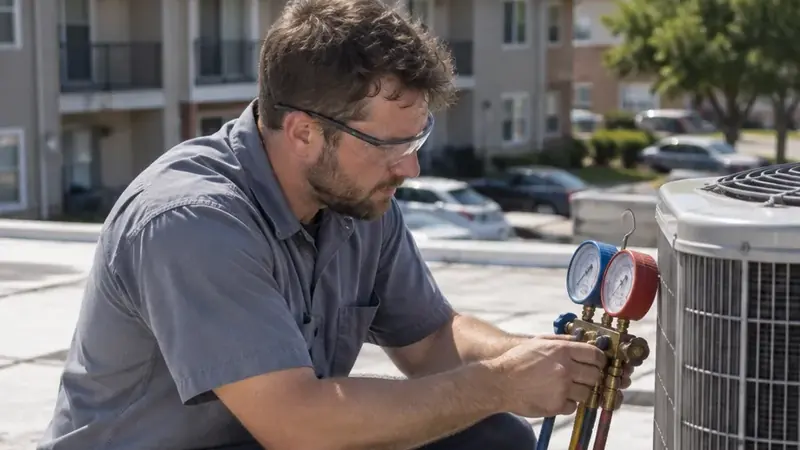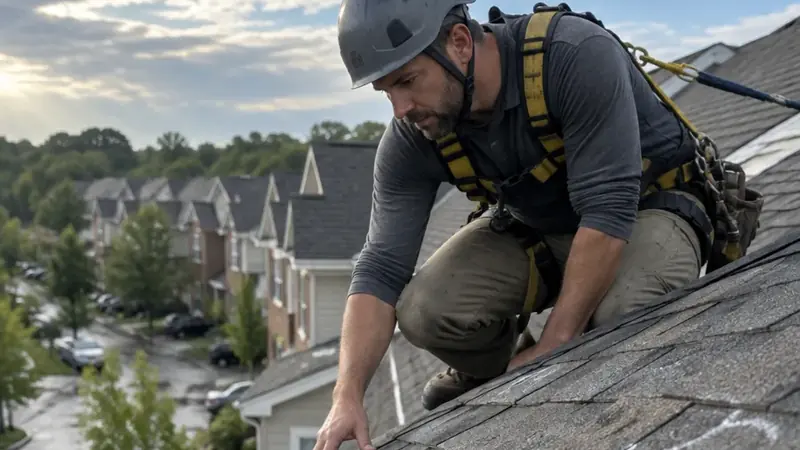
Most contractors have tried at least one of two things to find commercial work: buying leads, or paying a marketing agency. Both can produce phone calls. Neither puts you where property and facility managers actually look when something breaks, which is their own approved vendor list. A vendor network is built to do exactly that. This guide explains what a contractor vendor network is, how it differs from lead generation and marketing, and how to tell whether one fits your trade in Texas, Arizona or anywhere else in the country.
The short answer
A vendor network is a group of contractors who have been checked once (insurance, license where the trade has one, W-9, response commitment) and are put in front of the managers who hire for that trade. Managers get vendors whose paperwork is already done. Contractors get on the list before the job exists, instead of competing for it after.
The key word is before. Lead generation sells you a person who already has a job and is calling around. Marketing makes you easier to find. A vendor network makes you already approved, so when the job appears you are one of the names the manager calls first.
How do vendor networks help you find pre-vetted contractors quickly?
Vendor networks help you find pre-vetted contractors quickly by collecting insurance, license and W-9 paperwork once, then putting those contractors on the approved lists facility managers, property managers and homeowners already call. Instead of starting a new search every time a job comes up, you request a trade and get introduced to contractors whose paperwork has already been checked. OnRoster runs this in Texas and Arizona statewide, organized by region, and nationwide, so you can reach pre-vetted contractors in your area without building a new vendor list from scratch.
Paperwork checked once
Insurance, license and W-9 are collected up front, so you are not vetting a new vendor in the middle of a job.
Already on the approved list
Facility managers, property managers and homeowners call from a short list. A vendor network puts pre-vetted contractors on that list before the need arises.
Request a trade, get an intro
When you need a trade, the network routes the request to contractors who already cleared the paperwork and serve your region.
Texas, Arizona and nationwide
OnRoster is organized by region across Texas and Arizona statewide, and it is also available nationwide.
How property managers actually hire contractors
Property, real estate and community association managers run a lot of buildings. The U.S. Bureau of Labor Statistics lists contracting for landscaping, maintenance and other services, and arranging repairs, among the core duties of the job. They rarely hire from a cold call or a search ad. They hire from a short list of vendors they have already approved, and they keep that list because vetting a new vendor during an emergency is slow and risky.
That second number matters more than it looks. Every year a large share of managers are new to a portfolio or a role, and a new manager often inherits a vendor list they did not build. That is the moment a contractor who is already vetted can get on it.
Before a vendor goes on the approved list, most management companies ask for the same few things: a certificate of insurance (often with the property named as additional insured), a license where the trade is licensed, a W-9, and a contact who answers after hours. If a payee does not provide a taxpayer identification number, the IRS requires the payer to backup-withhold 24% of reportable payments, per the IRS instructions for requesters of Form W-9. Accounting teams do not want that problem, so the W-9 comes first.
Vendor network vs. lead generation vs. marketing
These three get lumped together because they all promise "more work". They are different products that solve different problems.
| Lead generation | Marketing agency | Vendor network | |
|---|---|---|---|
| What you get | Contact details of someone asking for a quote | Ads, SEO, a website, social posts | A place on the approved list managers call, with paperwork done |
| When you show up | After the job exists, alongside other buyers of the same lead | Whenever someone searches or sees an ad | Before the job exists, as an approved vendor or backup |
| Who you reach | Whoever filled out a form | Whoever the ads target | Property, facility and HOA managers who hire your trade |
| How it is usually priced | Per lead, whether or not it closes | Monthly retainer plus ad spend | Varies; on OnRoster, free to join and you pay when a meeting is held |
| What you keep | One job, if you win it | Brand visibility while you keep paying | The relationship with every manager you meet |
None of these is wrong. Marketing builds your brand, and some trades do well with leads. But commercial and multifamily work runs on approved vendor lists, and neither leads nor ads put you on one. That is the gap a vendor network fills.
What a vendor network does for a contractor
Gets you on the list
You are presented to managers as a vetted vendor or backup in your trade and region, not as a cold pitch.
Does the paperwork once
Insurance, license and W-9 are collected and tracked, so you are not filling out the same packet for every company.
Routes real needs
When a manager on the network needs your trade, the request comes to you with the details, and you decide whether to take it.
Leaves you the relationship
The managers you meet are yours to keep. The next introduction still comes through the network.
How the OnRoster network works for contractors
OnRoster is a vendor network for property, facility and HOA managers and the contractors they hire. It is not a marketing company and it does not sell leads. Here is the path a contractor takes:
- Join freeFill out the contractor join form. No payment details needed.
- Verification callThe desk confirms your trade, regions, job types and job size.
- Paperwork packetInsurance, license where your trade has one, W-9, response time.
- Routed needsManagers' requests in your trade and region come to you by text.
- You meet the managerThe relationship is yours. Optional paid tiers and exclusive territory options are available.
Joining costs nothing. On the paid side, you pay when a meeting is held, meaning it actually happened with the person who picks the vendor. Shared requests never go to more than three contractors. Details for each trade are on the trade pages for roofing, restoration, commercial cleaning and commercial HVAC, and the full overview is on the contractor page.
Where the network runs: Texas and Arizona by region, plus nationwide
OnRoster covers Texas and Arizona statewide, organized by region rather than by a handful of cities, and the network is open to managers and contractors nationwide.
Texas, statewide
- Metroplex and North Texas
- Gulf Coast and Southeast Texas
- Capital, Central Texas and the Alamo region
- South Texas and the Rio Grande Valley
- West Texas, the High Plains and the Upper Rio Grande
- Upper East and Northwest Texas
Arizona, statewide
- Central Arizona, including the Phoenix area
- Southern Arizona, including the Tucson area
- Northern Arizona
- Western Arizona and the Colorado River communities
Plus contractors and managers nationwide.
The Texas list follows the Texas Comptroller's 12 economic regions, which is a practical way to think about how far a crew actually travels.
What to have ready before you join any vendor network
Whether you join OnRoster or build your own approved-vendor relationships, this is what managers will ask for. Having it ready is the fastest way onto any list.
- Certificate of insurance. General liability, plus the ability to name a property or association as additional insured on request.
- License where your trade has one. In Texas, HVAC contractors need a TDLR air conditioning and refrigeration license; electricians are licensed by TDLR and plumbers by the TSBPE. In Arizona, the Registrar of Contractors generally requires a license when labor and materials exceed $1,000 or the work needs a permit.
- A current W-9. Signed and matching the business name on your invoices.
- Workers' comp status. Texas does not require most private employers to carry it, per the Texas Department of Insurance, but many managers ask. If you are a non-subscriber, say so up front.
- A named after-hours contact and a response time you will actually keep.
- Your service regions and job sizes, so you are only sent work you want.
Which trades benefit most
A vendor network works best in trades where managers need someone fast and cannot vet on the spot:
- Roofing. After hail or a hurricane, managers call the roofer already on file. See how managers vet a commercial roofer in Texas and the roofing trade page.
- Restoration. A burst pipe at 2 a.m. goes to the company already approved. See what managers want in a Texas restoration vendor.
- Commercial HVAC. No-cool calls stack up in heat season. See the HVAC maintenance checklist managers use.
- Commercial cleaning. Recurring contracts are rebid when crews slip. See how cleaning companies win property management contracts.
Plumbing, electrical and other trades can apply through the join form as well.
Questions people ask
How do vendor networks help you find pre-vetted contractors quickly?
Vendor networks help you find pre-vetted contractors quickly by collecting insurance, license and W-9 paperwork once, then putting those contractors on the approved lists facility managers, property managers and homeowners already call. Instead of starting a new search every time a job comes up, you request a trade and get introduced to contractors whose paperwork has already been checked. OnRoster runs this in Texas and Arizona statewide, organized by region, and nationwide, so you can reach pre-vetted contractors in your area without building a new vendor list from scratch.
What is a contractor vendor network?
A group of contractors whose insurance, license and W-9 have been checked once and who are introduced to the property, facility and HOA managers who hire their trade. The goal is to be on the manager's approved list before a job exists.
How is a vendor network different from buying leads?
A lead is a person who already has a job and is often contacting several contractors. A vendor network puts you on the approved list so you are called first when the job appears, and you keep the relationship with the manager.
Is OnRoster a marketing company?
No. OnRoster is a vendor network partner. It does not run ads or sell leads. It collects contractor paperwork, routes managers' needs to contractors in the network and introduces contractors to managers.
What does it cost to join OnRoster as a contractor?
Joining is free and needs no payment details. Contractors who choose a paid option pay when a meeting is held with the person who picks the vendor. Exclusive territory options are also available.
Where does OnRoster work?
Texas and Arizona statewide, organized by region, and nationwide. Managers and contractors anywhere in the U.S. can join.
What paperwork do property managers ask contractors for?
Usually a certificate of insurance, a license where the trade is licensed, a signed W-9, workers' comp status and an after-hours contact with a stated response time.
Sources
- U.S. Bureau of Labor Statistics: Property, Real Estate, and Community Association Managers
- IRS: Am I required to file a Form 1099?
- IRS: Instructions for the Requester of Form W-9
- Texas Comptroller: Regional Economic Analysis (12 economic regions)
- TDLR: Air Conditioning and Refrigeration Contractors
- TDLR: Electricians
- Texas State Board of Plumbing Examiners
- Arizona Registrar of Contractors: License classifications and the handyman exemption
- Texas Department of Insurance: Workers' compensation coverage
General information, not legal, insurance or tax advice. Rules change; check the source for your property. OnRoster is a vendor network run by Inertia Management. We are not a contractor and do not perform work.