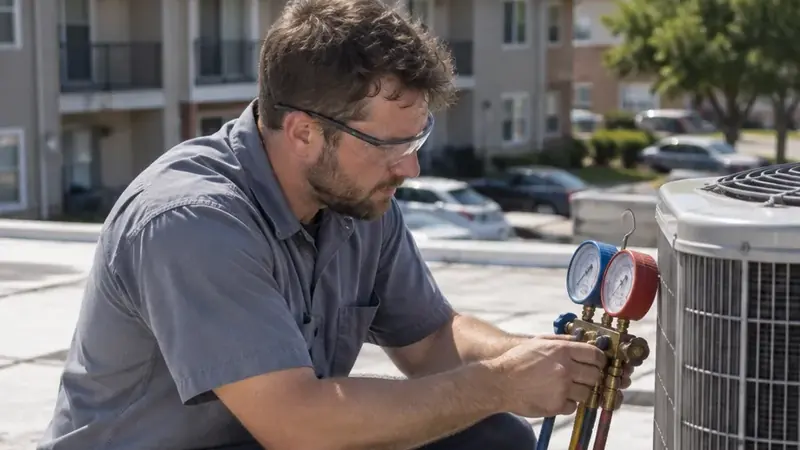
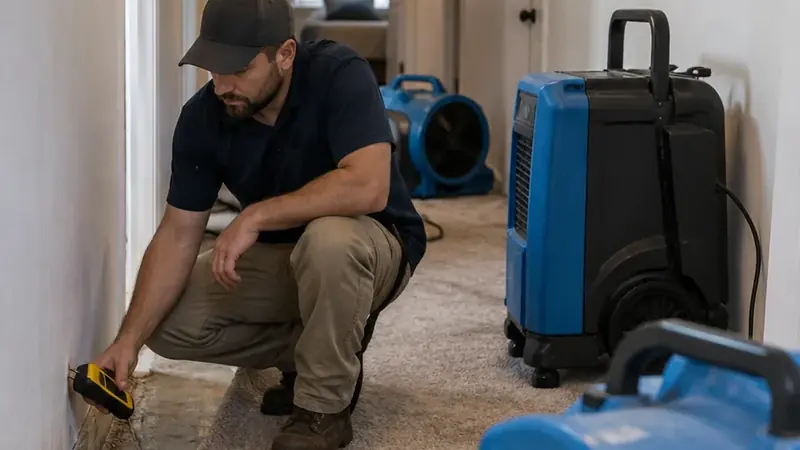
Why Texas managers keep a restoration vendor on file
Water damage in Texas comes from several directions, and it tends to hit every property in an area at once.
- Freeze. During the February 2021 winter storm, the National Weather Service Austin/San Antonio office noted widespread burst water pipes. North Texas spent days at or below freezing, per the NWS Fort Worth office.
- Flooding. Houston managers remember Hurricane Harvey in 2017, documented by the NWS Houston/Galveston office. Central Texas sits in what the Lower Colorado River Authority calls Flash Flood Alley.
- Storm leaks. Hail and wind open roofs, and water follows.
- Everyday failures. Supply lines, water heaters and sprinkler heads fail all year.
After a freeze or a flood, every restoration company in the area is busy. A manager who already has your paperwork approved can call you without stopping to vet. That is the whole game.
The paperwork Texas managers ask for
Insurance
A certificate of general liability insurance, with the property or association named as additional insured when the management agreement requires it. Texas does not require most private employers to carry workers' compensation, per the Texas Department of Insurance, but many management companies ask for it. If you are a non-subscriber, say so up front.
Mold licensing, when mold is in scope
Texas licenses mold work through TDLR. Under Texas Occupations Code Chapter 1958 and TDLR rules, mold remediation of 25 contiguous square feet or more generally requires a licensed company and notice to TDLR before the work starts, with a shorter window for emergencies, per TDLR's notification page. The same license holder cannot do both the mold assessment and the remediation on the same project. Managers who know this will ask. Have your license number ready, or name the licensed partner you use.
Certifications
The IICRC S500 is the industry standard for professional water damage restoration. Managers and insurance adjusters often ask whether your technicians hold IICRC certifications. List them by person.
W-9 and a 24-hour contact
A W-9 and a named after-hours number that a real person answers.
Response time is the product
For a manager, a restoration vendor is a response time. Put yours in writing: how fast you answer, how fast you can be on site, and what changes during a regional event. Be honest about the last one. A manager would rather hear "four hours on a normal night, longer during a freeze, and we will tell you which" than a promise you cannot keep.
Documentation that helps the manager
Managers have to report to owners, boards and insurers. Make their job easier.
- Photos at arrival, during and at completion, with unit numbers.
- Moisture readings and drying logs, following the S500 approach.
- A clear written scope and change orders before extra work.
- A short summary the manager can forward without editing.
Stay inside the rules on insurance claims
Texas law makes it an offense for a seller to waive, absorb or rebate an insured's deductible on work paid from a property insurance claim, under Texas Business and Commerce Code §27.02. Larger insurance-paid contracts must carry a written deductible notice. And a contractor cannot act as a public adjuster on a property they are repairing, as the Texas Department of Insurance explains. Document the damage, and leave the claim to the owner and their adjuster. This is general information, not legal advice.
What changes across Texas metros
North Texas
Freeze calls and hail-driven roof leaks. Many garden-style apartment communities and HOAs, with plumbing in exterior walls and attics.
Houston and the coast
Hurricane season from June 1 to November 30, per the National Hurricane Center, plus heavy rain events. Humidity makes fast drying and mold prevention a bigger part of the job.
Austin and San Antonio
Flash flooding, hail and the occasional hard freeze. Fast-growing suburbs mean many newer buildings with managers still building their vendor lists.
How OnRoster fits
OnRoster is a vendor desk run by Inertia Management. We keep contractors with paperwork done for property, HOA and facility managers, and route requests by text. Restoration has one opening per market. In North Texas, check the restoration trade page. We are building the vendor roster in Houston, San Antonio and Austin. Restoration contractors there can apply for their market's opening by emailing the desk. Applying does not hold an opening for you. More on how it works is on the contractor overview.
Questions contractors ask
Do I need a license for water damage restoration in Texas?
Texas does not have a general water damage restoration license, but mold remediation of 25 contiguous square feet or more generally requires a TDLR mold license and notice to TDLR. Check TDLR for current rules.
Can the same company do mold assessment and remediation in Texas?
Not on the same project. Texas Occupations Code Chapter 1958 does not allow the same license holder to do both the assessment and the remediation on one project.
What certifications do property managers look for?
Many ask whether technicians hold IICRC certifications. The IICRC S500 is the industry standard for professional water damage restoration.
Can a restoration company cover a customer's deductible in Texas?
No. Texas Business and Commerce Code §27.02 makes it an offense for a seller to waive, absorb or rebate an insured's deductible on work paid from a property insurance claim.
Is OnRoster active in Houston, San Antonio and Austin?
We are building the vendor roster there. OnRoster is active in Dallas–Fort Worth, Phoenix and Tucson today. Managers in the other metros can join free, and contractors can apply for their market's opening.
Sources
- NWS Austin/San Antonio: February 2021 winter storm summary
- NWS Fort Worth: February 2021 winter event
- NWS Houston/Galveston: Hurricane Harvey
- LCRA: managing floods in Flash Flood Alley
- Texas Department of Insurance: workers' compensation coverage
- Texas Occupations Code Chapter 1958 (mold)
- TDLR: mold notifications
- IICRC: S500 standard
- Texas Business and Commerce Code §27.02
- Texas Department of Insurance: roofing and insurance, know the law
- National Hurricane Center: tropical cyclone climatology
General information, not legal, insurance or tax advice. Rules change; check the source and your own advisers for your property. OnRoster is a vendor desk run by Inertia Management. We are not a contractor and do not perform work.